When the Seasons Change, So Do We
Finding steadiness, connection and meaning through life’s transitions
There is something almost breathtaking about the way Minnesota changes in the final quarter of the year.
The green begins to disappear. Leaves turn brilliant shades of gold, red and amber before letting go. The air becomes crisp. The days grow shorter. We move from the fullness of summer into the quiet of autumn, and eventually toward winter.
The landscape reminds us of something we sometimes resist: change is not a failure of what came before. It is part of life.
For those facing cancer, however, change can feel very different.
A diagnosis can change the rhythm of a life almost overnight. Treatment can change the body, relationships, work, finances, routines and sense of identity. Finishing treatment can bring relief alongside uncertainty. Survivorship can be a new chapter without a clear map. And for families and caregivers, cancer can change roles and responsibilities in ways no one anticipated.
The American Cancer Society notes that people affected by cancer can experience a wide range of emotions as they adjust to these changes, and that finding support and staying connected can help.
There is no single way to move through a transition.
I think about this often in my work at Gilda’s Club Minnesota.
We sometimes talk about cancer as though there is a beginning, a middle and an end: diagnosis, treatment, then back to normal.
But cancer rarely works that way.
Instead, there are seasons.
There is the season of diagnosis and trying to understand what is happening. The season of treatment and simply getting through the day. The season of waiting and wondering. The season of finishing treatment. The season of discovering who you are now. The season of grief.
The season of rebuilding. The season of living with uncertainty. And sometimes, unexpectedly, a season of joy that feels different than it did before.
Just as Minnesota’s landscape changes gradually and dramatically, we, too, are allowed to change.
We don’t have to force ourselves back into who we were before cancer.
We can ask instead:
What do I need in this season?
At Gilda’s Club, we make room for every season.
This fall, as our community moves through another transition into the final months of the year, Gilda’s Club Minnesota continues to expand the ways we walk alongside people affected by cancer.
Our support groups create places where people can say the things that may be difficult to say anywhere else.
Our educational programs provide information and practical tools for navigating cancer and its many transitions.
Our healthy lifestyle and integrative programs invite people to reconnect with their bodies, explore practices that support well-being, and discover ways to care for themselves in the midst of uncertainty.
Our social opportunities create something equally important: a place to belong.
And our grief and loss support reminds us that when cancer changes a family forever, the need for connection does not end.
Psychosocial support is an important part of cancer care because cancer affects far more than the physical body. It can affect emotions, relationships, identity, finances, work, family life and our sense of meaning.
That is why the work we do at Gilda’s is so much more than offering programs.
We create community for people who are navigating change.
This season, we are also changing.
Gilda’s Club Minnesota has grown tremendously, and with that growth comes an opportunity to think differently about how we serve our community.
We are working to reach more Minnesotans – including people in rural communities, young adults and people in Tribal Nations – while continuing to protect what makes Gilda’s Club special: compassionate, evidence-based support available at no cost.
We are exploring opportunities to expand our physical presence beyond the Twin Cities, including our work toward a stronger presence in Rochester.
We are strengthening partnerships with doctoral students, researchers, clinicians and community experts so that we can continue to innovate and expand our impact thoughtfully and sustainably.
And through programs like Integrative Pathways to Healing, we are creating space to explore the whole person – mind, body, relationships, identity, meaning and connection. This fall, we are talking about sleep, identity, meaning, resilience and the many ways we can create lives that feel supportive and nourishing even when circumstances are difficult.
Because sometimes healing doesn’t mean changing the circumstance.
Sometimes healing means discovering how we can meet the circumstance differently.
A season of letting go
There is a moment every autumn when the trees seem to know something we don’t.
They let go.
Not because the leaves weren’t beautiful.
Not because the tree had failed.
But because the next season requires something different.
Cancer can ask us to let go of things, too.
Perhaps it is an old definition of strength.
Perhaps it is the expectation that we should be able to do everything we once did.
Perhaps it is the belief that asking for help means we aren’t strong enough.
Perhaps it is an identity we held before cancer.
Perhaps it is the expectation that survivorship should feel a certain way.
And sometimes, we are asked to let go of someone we love.
Those losses deserve space.
So do the hopes, dreams and identities that are emerging in their place.
At Gilda’s Club, we don’t believe anyone should have to navigate those transitions alone.
And then there is winter.
Soon, the landscape will become quieter.
There will be bare branches and longer nights. The world will seem to slow down.
Yet beneath the surface, life continues.
There is wisdom in that.
Not every season is a season of visible growth.
Some seasons are for resting.
Some are for healing.
Some are for grieving.
Some are for gathering strength.
Some are for discovering what matters most.
Cancer can make us impatient for the next season. We want answers. We want certainty. We want to know when this will be over.
But sometimes the most compassionate thing we can do is meet ourselves where we are.
Today.
Not where we were before cancer.
Not where we hope to be six months from now.
Right here.
A place to land
As we enter the final quarter of 2026, my hope for everyone connected to Gilda’s Club Minnesota is simple:
May you have a place to land.
A person who will listen.
A community where you don’t have to explain everything.
A place where you can laugh when you feel like laughing and cry when you need to cry.
A place where you can be uncertain without having to pretend you’re certain.
A place where you can discover that you are still you – even when life looks different than you imagined.
That is what Gilda’s Club Minnesota strives to be.
For the person newly diagnosed.
For the person in treatment.
For the caregiver who is exhausted.
For the survivor discovering a new normal.
For the family facing loss.
For the person who simply needs to know that someone understands.
No Minnesotan should face cancer alone.
As the leaves change, may we remember that change can hold both grief and possibility.
And as we move into this next season together, may we continue to make room for both.
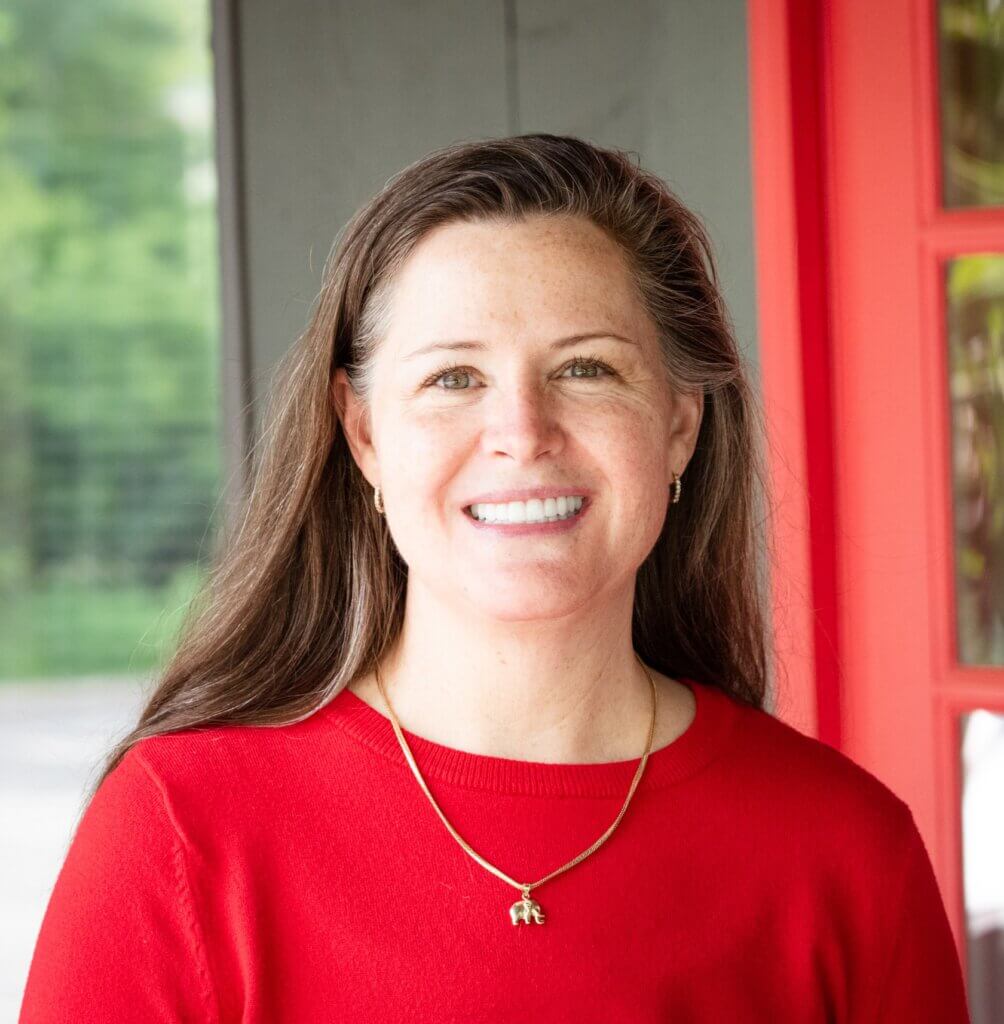
With deep appreciation and hope,
Katherine Todd
C.E.O.
612-227-2147 main | 952-767-7620 direct
10560 Wayzata Blvd., Minneapolis, MN 55305